
The Agri-food Hub | How Cinematic Storytelling Secured a Legacy
2021
The Agri-food Hub | How Cinematic Storytelling Secured a Legacy
In 2021, the challenge for Exhibition Park Lethbridge was not a lack of data; it was a lack of Connection.
The Agri-food Hub | How Cinematic Storytelling Secured a Legacy
For Excite Lethbridge
The Agri-food Hub | Architecture of the Soil
In 2021, the challenge for Exhibition Park Lethbridge was not a lack of data; it was a lack of Connection. To secure funding for a massive new facility, the board didn't just need a pitch deck—they needed a bridge between the value of the land and the perception of the stakeholders.
1. The Potato Film: The Structural Power of the Ordinary
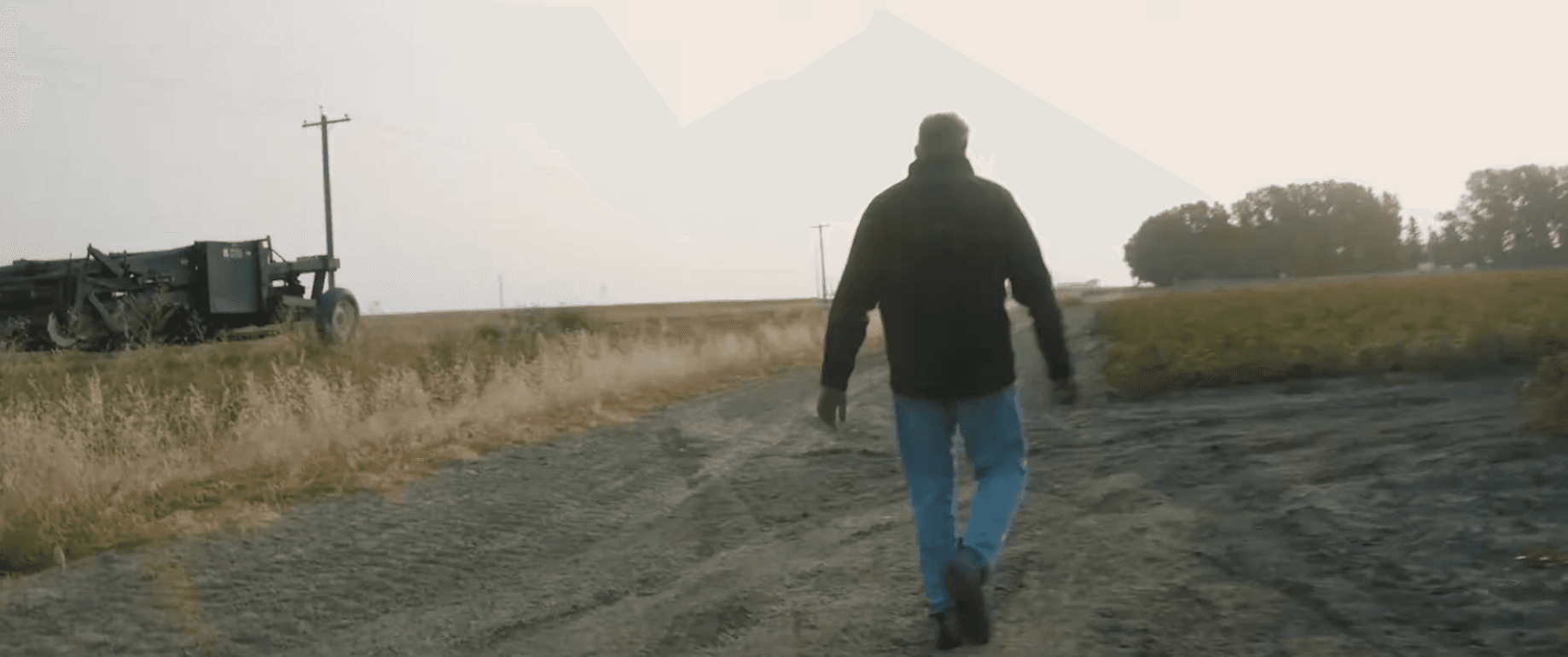
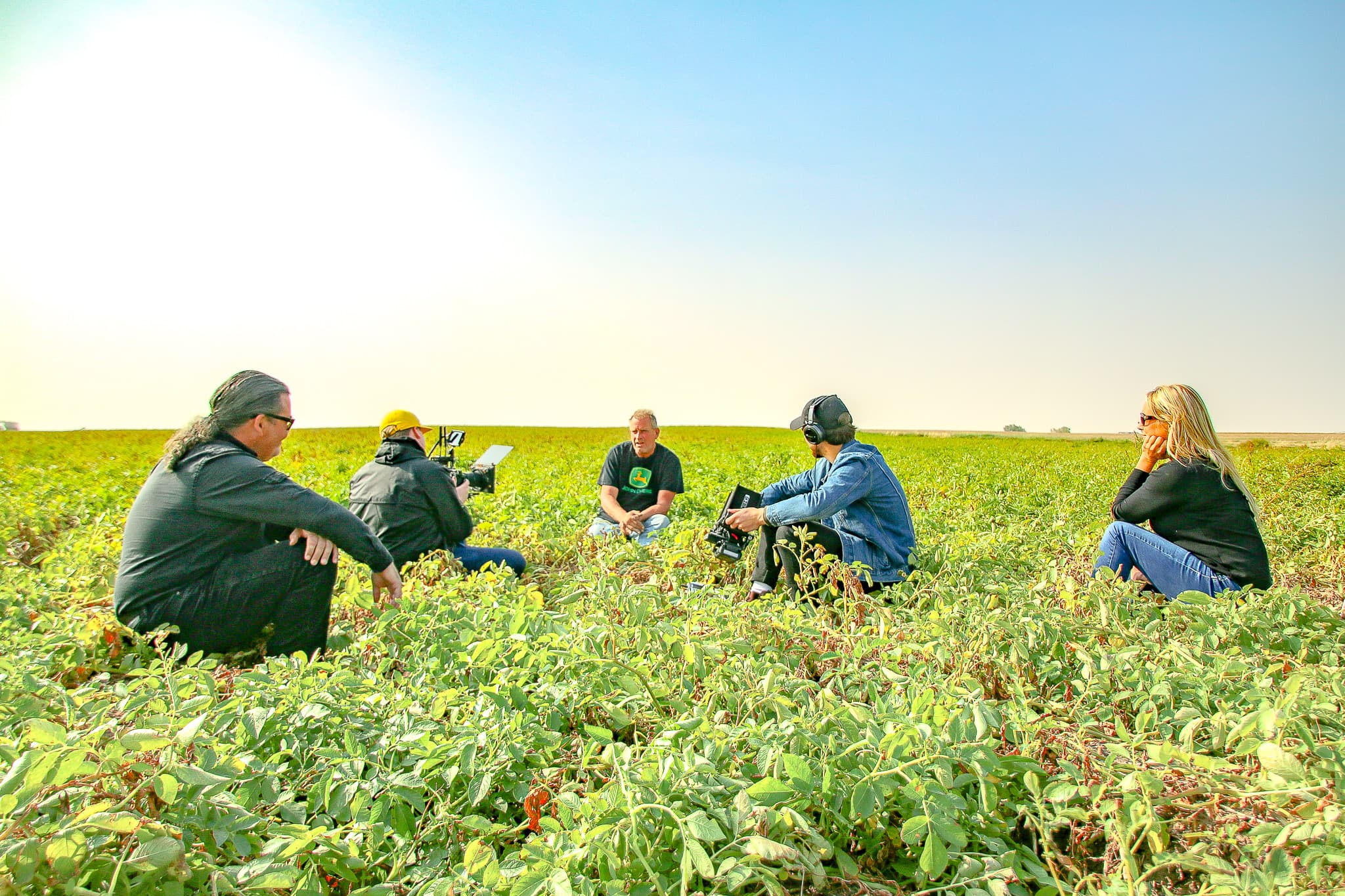
The "Potato Story" is the anchor of this case study. Most corporate films for agriculture focus on machinery, scale, and efficiency—the "What." Your film focused on the "Why." By utilizing Cinematic Subtext—the texture of the soil, the dirt under fingernails, the quiet dignity of the harvest—you hit a "Human Frequency" that stripped away the professional armor of the room. When a room of "old school" businessmen is moved to tears, it’s because you’ve stopped "telling" them about ROI and started showing them their own legacy. You validated their life’s work through a high-authority visual medium.
2. Broxburn & Crystal Springs: The Evidence of Excellence
The films for Broxburn Vegetables and Crystal Springs Cheese served as "Visual Artifacts." They were the proof that Lethbridge wasn't just a "commodity" region, but a "craft" region.
Visual Literacy at Work: By using cinematic lighting and pacing (the Lubezki/Malick influence), you elevated a greenhouse and a creamery into temples of industry.
The Strategic Shift: This moved the narrative from "We need a new building" to "We have world-class value that deserves a world-class stage." You used the medium to bridge the gap between the humble perception of "farming" and the high-value reality of "Agri-food."
3. Securing the Funding: Narrative as Capital
The funding for the Agri-food Hub didn't happen because of a spreadsheet; it happened because the stakeholders finally saw what was at stake.
The Result of Storytelling: You removed the Communication Friction that often exists between "Ag Business" and "Government/Funding Bodies." You gave them a shared visual language.
The "Showing" over "Telling": Instead of saying "We are a hub for innovation," the films embodied innovation through their own production quality. The films themselves were the first "product" of the new Agri-food Hub—proving that Lethbridge could compete on a global stage.
Design by people, for people.
Good design is good communications.
This philosophy is not limited by medium; it is a discipline applied to every touchpoint where your message meets its audience. Whether it is a comprehensive brand identity, a high-stakes campaign, or the internal communications that align your team, the objective remains the same: the removal of friction.
Copyright 2026 Adam Thom © All Rights Reserved.
Lethbridge, Alberta, Canada, working globally.